
We often think habits matter most when they are visible. But it is the choices we make when alone, unobserved, or unwatched that shape us most deeply. In our experience, truly responsible habits are not built for show. They are born in quiet moments, when nobody is there to praise, judge, or remind us.
Understanding responsible habits
At its heart, a responsible habit is a steady action that helps us honor our internal values. It is less about what the world expects, and more about how we choose to live when the world is silent. The foundation is not external rewards, but internal alignment—acting in ways that fit who we truly wish to be.
The small things we do in private build our public character.
We notice, for instance, that some of our most meaningful changes happen when we quietly commit to better choices: eating mindfully, pausing before reacting, finishing a project even when nobody will check our work. What matters most is consistency with our own ideals, not applause.
Why building habits in private matters
We believe that the habits forged in solitude carry a unique power. They are:
- Self-driven, because we are choosing them without pressure.
- Honest, as there is no one else to impress.
- Strong, since they stand without external support.
When nobody's watching, our choices become a reflection of our deepest intentions. Even small acts count: tidying up after ourselves, speaking kindly to ourselves, or sticking to a promise we made in the quiet of our mind.
How to build responsible habits when alone
We have found that responsible habits require both intention and attention. Here are the steps we recommend to build habits that last, even in private:
1. Clarify what matters to us
We start by asking ourselves, "What kind of person do we want to be when nobody is watching?" It helps to pick values that feel real and meaningful to us—honesty, kindness, health, patience. Choose one or two that feel especially true.
2. Choose small, clear actions
A vague goal leads to frustration. Instead, we translate values into specific actions. "Be healthy" becomes "drink a glass of water every morning." "Be calm under stress" turns into "take three deep breaths before answering tough emails."
3. Create simple reminders
Sometimes, our days sweep us along and we forget our intention. We use gentle prompts—a sticky note on the mirror, a daily phone reminder, or a phrase we repeat—so our new habit stays close to mind.

4. Practice self-honesty
When nobody is there to see, it is tempting to pretend—skip the workout, fudge the numbers, promise ourselves "just this once." We remind ourselves that self-honesty is the measure. If we notice we are slipping, we do not judge; we simply begin again.
5. Reflect and adjust
As we repeat our habits, some fit well; others may not. We set aside time, weekly or monthly, to ask: "Is this working? Does this feel right?" If not, we adjust gently. A flexible approach keeps the habit alive.
The role of emotional maturity in self-regulation
We think the real key to private, responsible habits is emotional maturity. This means being present with our feelings, even when they are uncomfortable. When we want to choose an easy path instead of the right one, emotional maturity lets us pause and ask, "What will help me feel proud tomorrow?"
- Reflective pause—Before acting, we invite a short pause. Breathing, noticing emotions, and asking ourselves what choice fits our values helps us respond, not just react.
- Self-compassion—If we struggle, we choose patience. The point of a habit is not perfect performance, but steady growth.
- Acceptance—We accept times we fall short and keep going, rather than waiting for external validation.
Every time we choose our values over convenience, we grow a little stronger inside.
Building inner accountability
We find that real change takes internal accountability. Here’s how this looks in our practice:
- We keep promises to ourselves as carefully as we do for others.
- We track our progress—not for anyone else, but for our own sense of truth.
- We entertain reflection, not guilt, after setbacks.
- We share our experience, sometimes, with a trusted friend or in a journal—even if our habit is private.
Practical tips for lasting habits
In our work, we have seen that certain strategies greatly increase the chance that responsible habits will endure:
- Begin with habits so small it is impossible to skip.
- Link new habits to existing routines (right after breakfast, before brushing teeth, etc.).
- Focus on the act, not the outcome—doing the habit is more valuable than measurable progress early on.
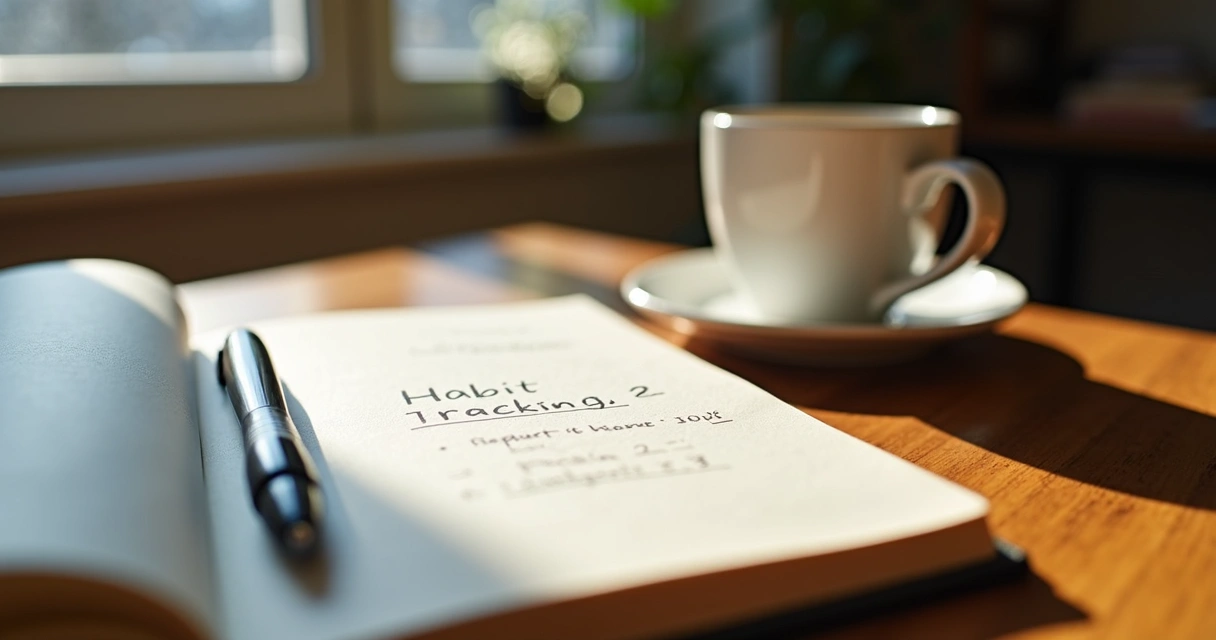
- Use visual cues or logs as gentle reminders.
- Reward yourself with quiet recognition or a simple celebration.
- Forgive mistakes quickly and move forward.
Habits that fit our natural rhythm and feel meaningful are more likely to stay. We balance patience with persistence, resisting the urge to give up if progress feels slow.
Conclusion: The habits that define us
We see it every day—when we make choices that match our values in private, those small acts shape our deepest sense of self. They build integrity, trust, and quiet confidence. No audience is required.The most lasting, responsible habits are not the ones the world sees, but the ones we return to, alone, simply because they matter to us. We think this is how change really happens. Little by little, choice by choice, in the quiet.
Frequently asked questions
What are responsible habits?
Responsible habits are actions we repeat over time that support our values and positively impact our wellbeing, relationships, or environment—even when nobody else is watching. They are guided by our internal standards, not just by what others expect from us.
How can I build habits alone?
To build habits alone, we recommend starting with small, clear actions tied to your values. Use gentle reminders, track your progress in a journal, and reflect on how these habits fit your life. Self-compassion and regular review help these habits stick even in private.
Why build habits when nobody’s watching?
Building habits while alone shapes who we are at our core. The habits we practice in private form our true character, strengthen our self-trust, and help us act with integrity—even under pressure.
What makes a habit stick long-term?
We have found that the most lasting habits are simple, linked to existing routines, meaningful, and forgiving of mistakes. Tracking, self-reflection, and gentle celebration help habits become part of daily life.
Is it worth it to track progress?
Yes. Tracking progress, even with something as basic as a checkmark in a journal, supports self-honesty and motivation. It helps us notice patterns, celebrate milestones, and adjust when needed—all without outside pressure.