
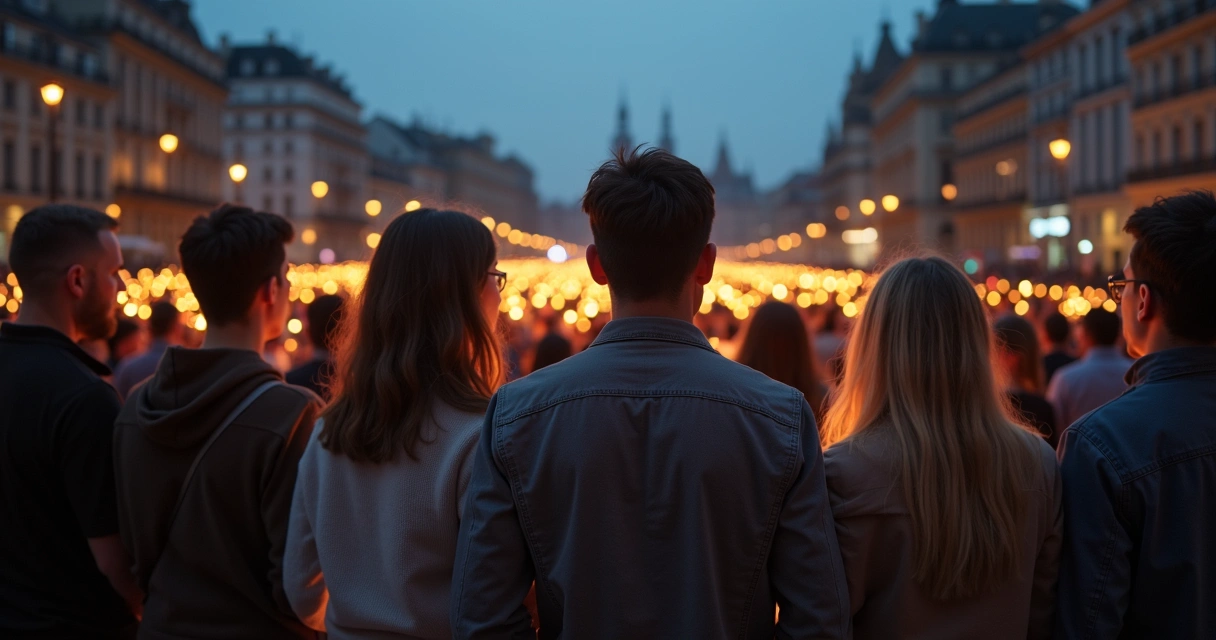
We often speak about ethics as if people decide in isolation. In real life, that is rarely true. Large groups feel together, react together, and often judge together. A crowd at a vigil, a nation after a crisis, or a team under pressure can form a moral tone that goes beyond any one person.
Shared emotions help large groups decide what feels acceptable, what feels harmful, and what deserves care.
We see this clearly when public feeling changes faster than formal rules. A community may tolerate indifference for years, then one event stirs grief, shame, or compassion, and suddenly behavior shifts. People donate. They speak up. They stop excusing what they once ignored. The law may stay the same for a while, but the moral atmosphere has already changed.
This happens because emotion is social. We absorb it in faces, words, silence, headlines, and rituals. In large groups, that emotional current can support mature ethics, or it can feed fear and exclusion. The difference lies in whether emotion is processed with awareness or spread without reflection.
Why group emotion matters
Many people like to think they hold steady values no matter the setting. We think that view misses something human. In group life, emotion gives values their force. It tells us what to protect, who belongs, and what pain counts.
A research review on how group contexts shape emotional experience and expression showed that people do not just bring emotion into groups. Groups also shape what members feel and how they express it. This matters for ethics because moral choices are often made under social pressure, not in private calm.
Imagine a public meeting after a flood. At first, people are tense and guarded. Then a resident speaks about losing a home, and the room softens. Faces change. Voices slow down. The discussion turns from blame to help. We have all seen moments like this. The facts matter, yes. But the shared emotion changes what the group sees as the right response.
Groups do not only share ideas. They share moods.
Once a mood becomes common, it starts shaping conduct in subtle ways. It can affect:
What kinds of behavior get praise
What kinds of harm get ignored or condemned
How quickly people feel responsible for strangers
Whether rules are applied with care or harshness
That is why ethics in large groups cannot be understood through logic alone. Feeling is part of the structure.
How positive shared emotions build ethical bonds
Not all collective emotion is dangerous. Some of it expands responsibility. Shared gratitude, grief, relief, and pride can strengthen ethical ties when they open people to one another instead of closing them off.
A Frontiers in Psychology study on collective emotions during the 2010 FIFA World Cup in South Africa found that shared pride and unity strengthened social cohesion and national identity. We can read this as more than celebration. It shows how a common emotional experience can shift how people relate to the larger whole.
When people feel connected by a shared emotion, they often widen their sense of moral concern.
That widening can produce ethical effects such as:
Greater patience with difference
More willingness to cooperate
Stronger care for public spaces and shared goods
Higher support for fair treatment across group lines
We should be careful, though. Even positive emotion can become shallow if it remains symbolic. A moving event may create unity for a day, but ethics asks for continuity. If a group feels inspired and then returns to denial, the emotion fades without changing conduct.
When fear becomes a moral shortcut
Shared emotions can also narrow ethics. Fear is one of the fastest emotions to spread in large groups, especially when people feel exposed, humiliated, or uncertain. In those states, groups often seek quick clarity. They want a target. They want control. They want simple answers.
This is where ethical decline can begin. A fearful group may start calling harshness realism. Suspicion becomes prudence. Exclusion starts to feel justified.
We have seen this in many public moments. One shocking event occurs. People feel unsafe. The demand for protection rises. Soon, the emotional climate rewards reaction over reflection. Those who ask for nuance are treated as weak or detached. The group no longer asks, “What is right?” It asks, “What relieves our tension now?”
When large groups act from unprocessed fear, ethics can shrink into defense, obedience, and blame.
This does not mean fear is bad in itself. Fear can warn us about real danger. The problem begins when a group does not metabolize the feeling. Then fear becomes contagious and starts writing moral rules.
How crisis can awaken solidarity
There is another side to intense public emotion. A crisis can trigger not only panic but also care. In our view, this happens when people are allowed to express pain without being trapped in it.
A Frontiers in Psychology study of emotional sharing on Twitter after the November 2015 Paris attacks found that intense social sharing of emotions was linked with more prosocial behavior and positive affect online. That tells us something hopeful. Shared emotional expression after collective shock can support solidarity rather than collapse.
We find this point deeply human. After tragedy, people often bring food, check on neighbors, donate quietly, and speak with more tenderness than usual. For a brief time, masks drop. The group remembers dependence. Ethics becomes less abstract because vulnerability is visible.
Pain can divide. It can also awaken care.
Still, the outcome is not automatic. Large groups need spaces where emotion can move toward meaning. Without that, outrage cycles repeat and moral energy burns out.
What helps emotions support better ethics?
If shared emotions shape collective ethics, then public life needs more than information. It needs emotional maturity at scale. We think this begins with habits that slow reactivity and strengthen honest presence.
In practice, healthier group ethics are more likely when communities encourage:
Language that names feelings without weaponizing them
Public rituals that allow grief, gratitude, and repair
Leadership that does not inflame fear for approval
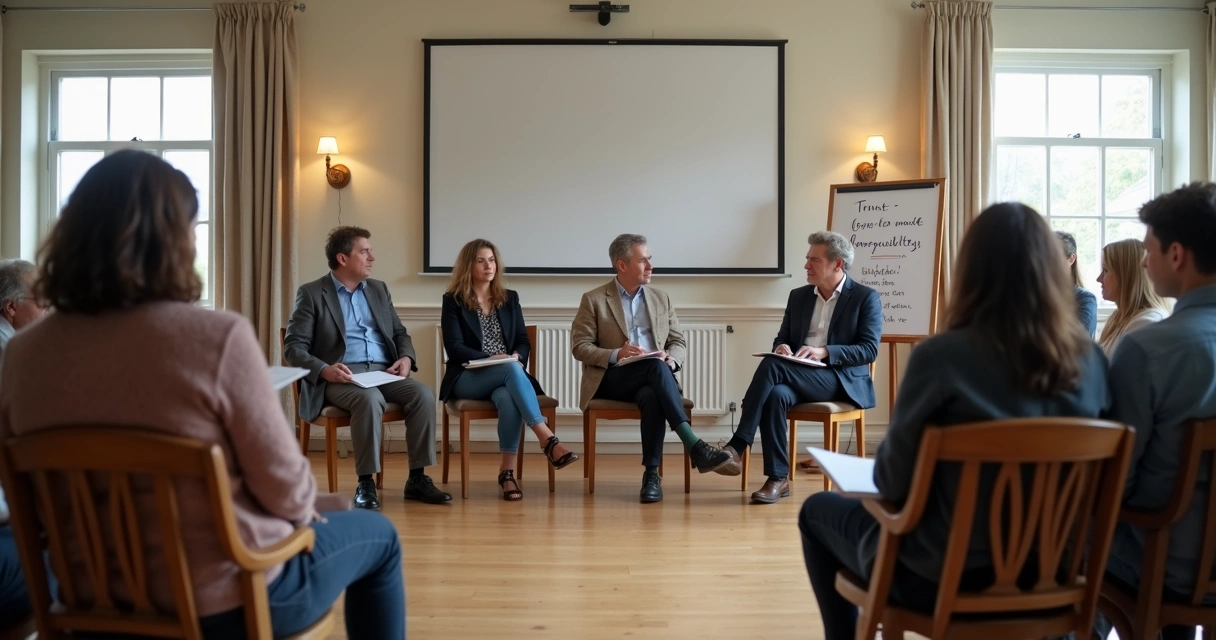
Spaces for listening before judgment hardens
These are not soft measures. They shape what a group can bear without turning cruel. They also help people stay inwardly coherent when emotion rises. That coherence matters because ethical failure often begins long before action. It begins when feeling, speech, and choice split apart.
Conclusion
Shared emotions are not separate from collective ethics. They are one of the forces that form it. Large groups build moral climates through what they feel together, what they amplify, and what they refuse to face. When emotions are denied, manipulated, or discharged without awareness, ethics becomes unstable. When emotions are acknowledged and integrated, groups become more capable of care, restraint, and responsibility.
We think the future of any society depends in part on this simple fact. People do not live by rules alone. They live by the emotional meanings those rules carry. If we want wiser collective choices, we must pay close attention to the feelings moving through the crowd, and to the inner honesty of those who lead and participate in it.
Frequently asked questions
What are shared emotions in groups?
Shared emotions in groups are feelings experienced together by many people in the same social setting. These can include grief, pride, fear, hope, or anger. They spread through interaction, symbols, language, and common events, shaping how the group reacts and what it values.
How do emotions influence group ethics?
Emotions influence group ethics by affecting what people see as fair, harmful, or worthy of care. A group feeling compassion may support inclusion and help, while a group driven by fear may justify exclusion or harsh responses. Emotion gives moral judgments their social force.
Can shared emotions change group behavior?
Yes, shared emotions can change group behavior very quickly. A public mood of sorrow can increase support and solidarity, while shared panic can push people toward blame or rigid control. The emotional tone of a group often shapes action before formal rules do.
Why do large groups form collective ethics?
Large groups form collective ethics because people need common standards for living together. These standards do not come only from laws or ideas. They also grow from shared emotional experiences that teach the group what to protect, what to reject, and how to respond to harm.
How to promote positive shared emotions?
We can promote positive shared emotions by creating spaces for honest dialogue, public care, respectful leadership, and meaningful rituals. Clear language, active listening, and shared acts of repair help groups process emotion in ways that support trust, responsibility, and ethical behavior.